Scientific works
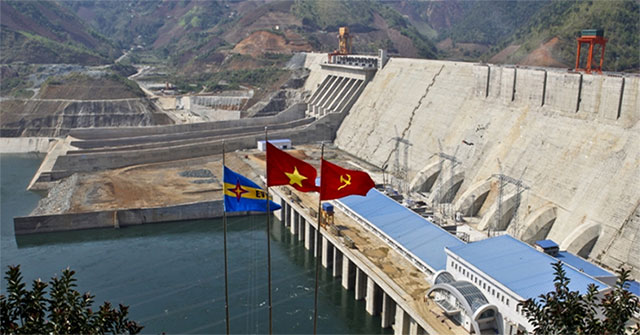
12 Largest hydroelectric plants in Vietnam
With a high economic growth rate and the demand for electricity use, an average of more than 10% per year. To meet the demand of electricity for living and labor, the st…
Browse ScienceInfo articles and explainers related to Hydroelectric Dams.
17 published items.
With a high economic growth rate and the demand for electricity use, an average of more than 10% per year. To meet the demand of electricity for living and labor, the st…
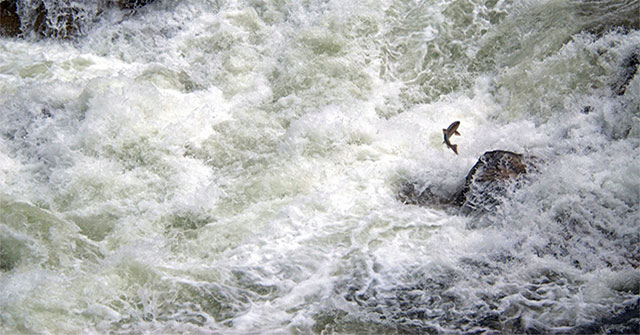
The continuous flow of warm water, combined with the impact of hydroelectric dams, has led to a sharp decline in the size of the largest Pacific salmon species and the r…
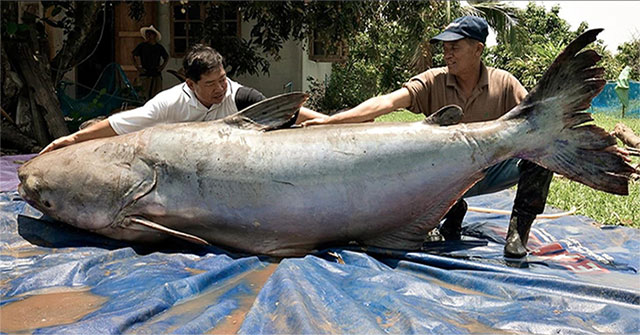
Recent reports show that the number of large freshwater animal species has decreased by 97% compared to 1970, due to the natural flow of altered rivers and human catchin…

Hydroelectric dams are the main and largest source of energy for some countries around the world, including Vietnam, China or Laos.
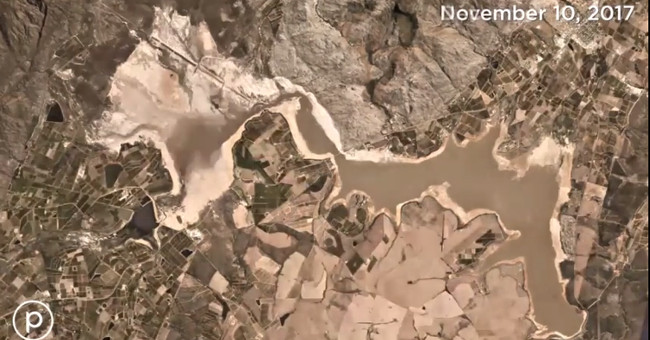
The latest images from NASA satellites for water levels at Theewaterskloof hydroelectric dam, the largest reservoir in South Africa's Cape Town capital are at an alarmin…
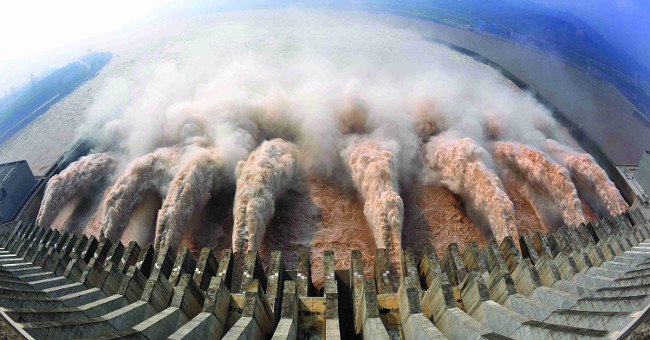
The Three Gorges Dam in China, which provides clean energy for the pressing needs of the people of this country, also causes many environmental impacts.
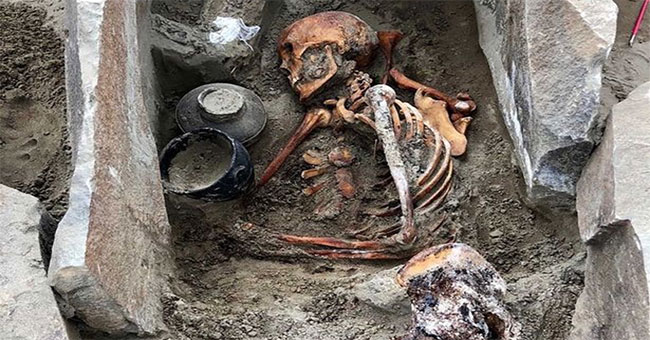
The remains of the 2,000-year-old 'beauty' were discovered in the upstream reservoir of a giant dam of 242m high, in the Yenisei River, Siberia, southern Russia, Mirror…
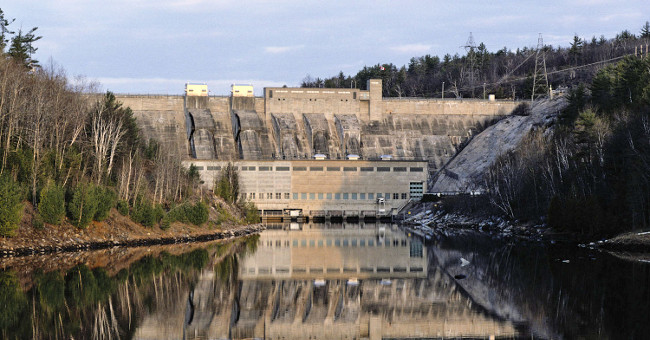
Once upon a time, hydropower was the first choice and superior to thermoelectricity and other forms of power because of its low cost, high performance and ... friendly e…
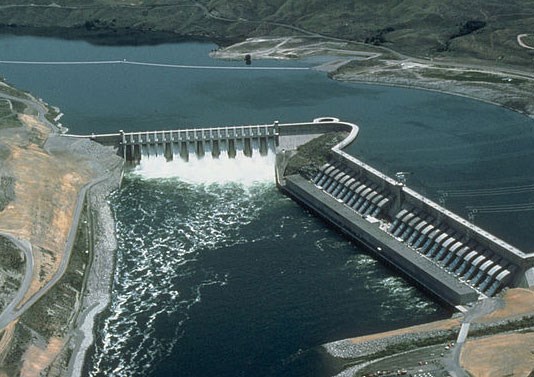
According to research results published on July 1 in the US journal PLOS ONE, hydroelectric dams can kill up to 70% of wild animals living in the neighborhood.
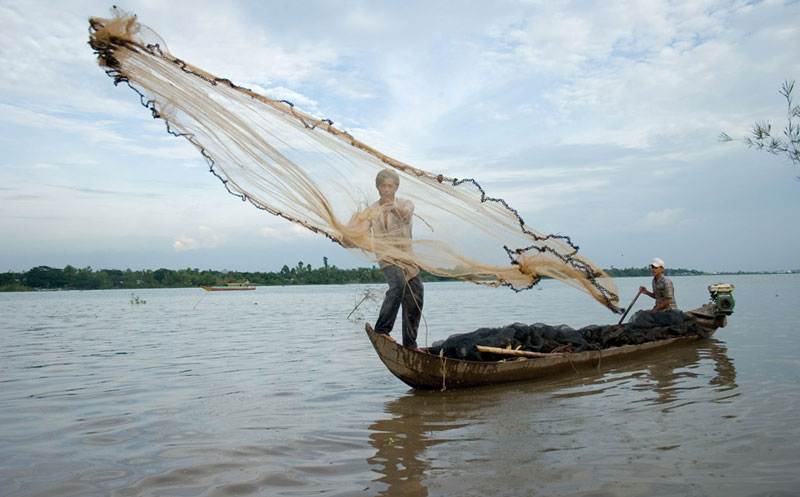
According to the latest research published by US scientists, plans to build hydropower dams along small tributaries of the Mekong River could cause unmatchable harm to m…
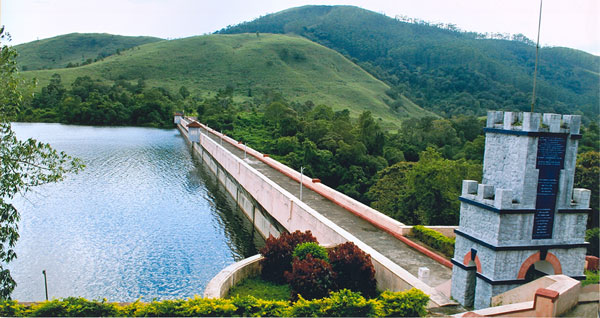
At present, there are still thousands of small dams in danger of unsafe, which need to be prioritized, but due to limited budget, the demand is not met. Facing the above…
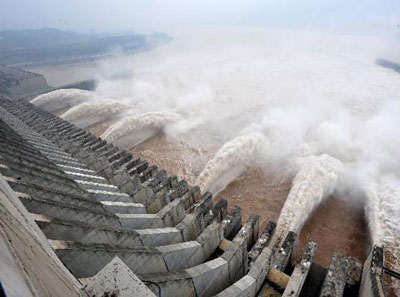
Hydropower is considered one of the cleanest and cheapest sources of renewable energy available for large-scale production.

The US Geological Survey (USGS) has just released the latest satellite images showing significant changes in our Earth over the past four decades.
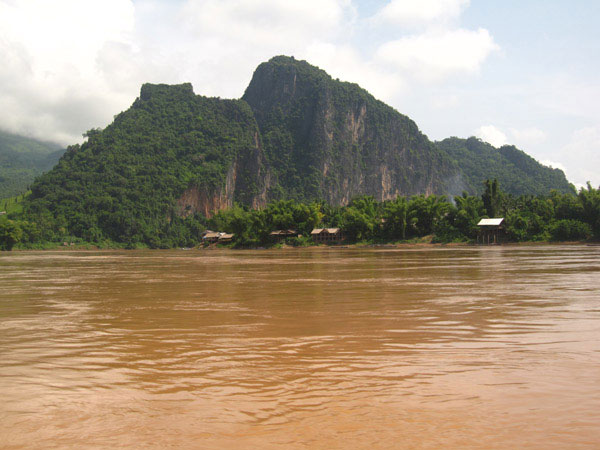
During the Global Water Week held in Stockhom, Sweden this week, the International Nature Conservation Fund (WWF) published the latest study on the impact of planned Mek…
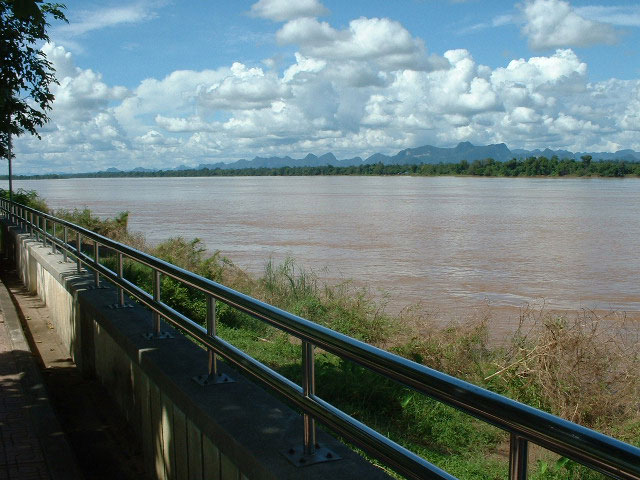
The proposal to postpone the construction of hydropower dams on the mainstream of the Mekong for at least 10 years is the unanimous opinion put forward at the National C…